
Best Sump Pump Things You Need To Know
- 11must2019
- Feb 11, 2021
- 6 min read

Updated: Nov 18, 2021
A Backup suction pump is another pump that's installed to work should the first suction pump fail. Surprisingly enough there are many reasons a primary pump may fail including: electric power outage, float or switch failure, broken impeller or drive shaft, clogged intake screen.
There are eleven major factors to think about when comparing backup sump pumps: power source, charger strength, trigger, dependability, material utilized in construction, operational capability, dimensions, size of discharge, protection against solids or sludge, alarm notification, and manufacturer warranty.
1. Power Source
The backup system installed should be sourced by something aside from electricity.
What are the various sorts of power sources used?
A Battery provides the facility to enable a backup suction pump plugged into it through the utilization of a wired housing case to perform the pumping cycle for the removal of the water from Hell . Twelve or twenty four volt battery power is employed . The voltage and sort of battery required varies by manufacturer.
Water Pressure provides the facility to stay a backup suction pump running. The water used must come from a municipal source and have a pressure between 40 and 100 PSI (pounds per square inch).
A portable generator provides power through the conversion of gas or propane into energy. The pump must be plugged into the generator.
Automatic start standby generator provides the facility when the suction pump is plugged into it.
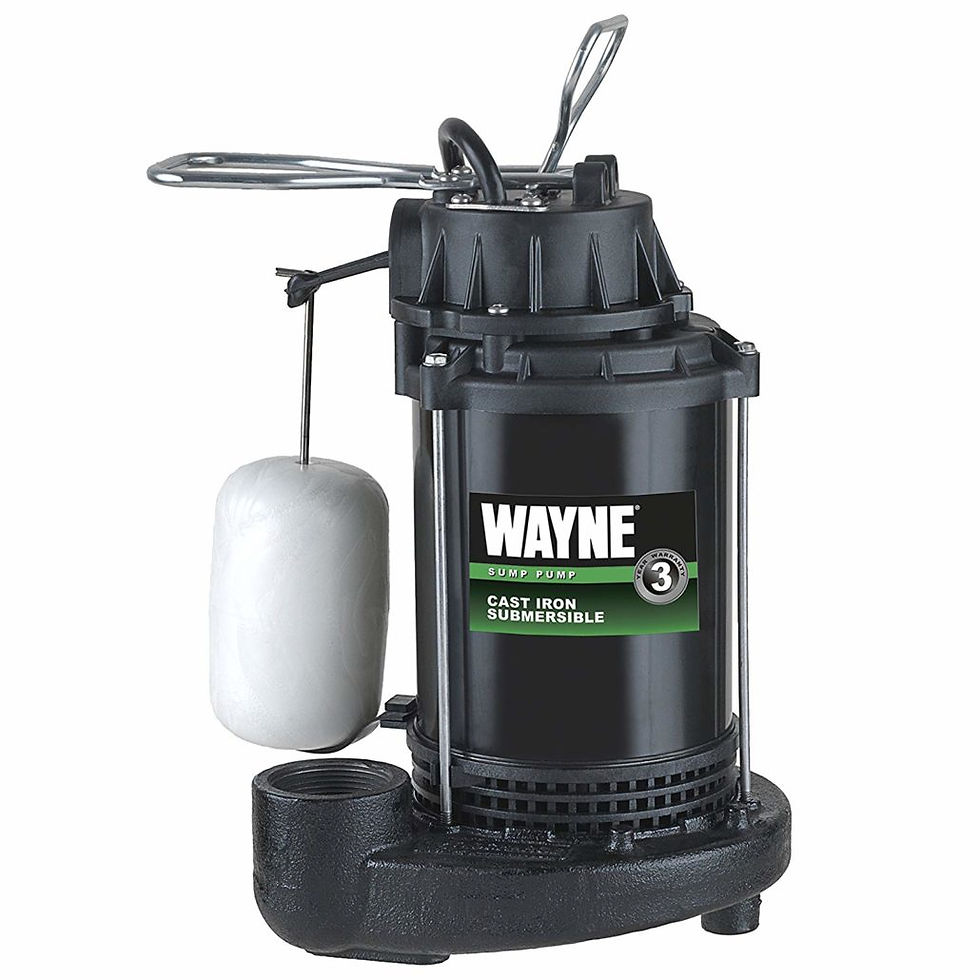
Batteries require monitoring to form sure they're operational within the time of need. Most backup systems have an alarm that lets the owner know when A battery requires maintenance or replacement and is getting used by the backup pump. Batteries are rechargeable.
Water power requires no batteries and has no moving parts. Operation of watered power systems requires a PSI water pressure between 40 and 100 PSI (pounds per square inch). Private ground water can't be used and therefore the municipal provided water must have reliable water pressure. It takes 1 gallon of municipal water to get rid of 2 gallons of sump pit water so are often costly to work .
Portable generator: The generator must be placed outside. It must be started manually. Most operate from propane tank.
Automatic start standby generator: they're expensive to get and install (four to 10 times costlier than battery power) but are very reliable. this sort of generator runs off of gas or propane tanks and may provide power to multiple household appliances during power outage .
2. Charger Strength
This term applies when batteries are used because the source of power.
The higher the charger strength the faster the battery are going to be recharged after usage.
Charger strength varies from.4 to 20.
3. Trigger
Each backup system features a trigger that activates the non electric power source to start operation.
For battery powered backup sump pumps, when the water level raises the float, the battery is activated into operation.
For water powered backup sump pumps, when the float raises, a valve allows pressured water to flow right down to the pump. The flowing of the pressured water activates the backup system into operation.
An automatic start standby generator is activated when the transfer switch senses a utility power interruption.
A portable generator becomes operational when a person's starts it.
What are the benefits and drawbacks of every trigger?
The transfer switch for the standby generator is that the most reliable and quickest thanks to activate the operation of a backup system. The backup pump is operational as soon because the power goes out.
Battery and water powered systems aren't activated until the water rises to the peak of the float. meaning water has already collected within the pit.
4. Dependability
Batteries deplete and loose charge.
Municipal water pressure isn't constant. A drop below 40 PSI means the backup system isn't operational.
The float-switch mechanism, impeller or clogging of the backup suction pump plugged into A battery or standby generator source of power could fail.
The tether switch isn't as dependable because the vertical switch.
Dual vertical switches offer twice the reliability.
5. Materials utilized in the development of Backup Sump Pumps
What are the various materials used?
Thermoplastic: Outer casing is formed of a tough , durable plastic.
Cast Iron and Stainless Steel: The outer casing and bolts are made from metal.
What are the benefits and drawbacks of the various materials?
Plastic weighs less and is cheaper.
Cast iron and chrome steel lasts a lifetime, weighs more and is made to handle heavy duty usage. This material is costlier .
6. Operational Capacity
What are the volumes at which backup pumps can discharge water?
Pumping capacity is measured by number of gallons per minute or hour at a selected rise.
Capacity is decided by size of motor and source of power.
What are the benefits and drawbacks of operational capacity?
Larger motors using battery or generator power move more water during operation.
Smaller motors move less water during operation and need less battery or generator power.
The amount of water moved during operation of a water powered backup suction pump is decided by the municipal water pressure. The greater the pressure the greater volume of water that's discharged. Generally water powered pumps have a lower operational capacity.
7. Dimensions of Backup suction pump and Pit
Each backup suction pump has unique measurements.
A sump pit with an 18"diameter basin or larger provides the best flexibility in having the ability to suit a primary and a backup suction pump into Hell .
A tether float requires a bigger diameter-based pit than a vertical float.
8. Size of Discharge Port Diameter
What are the various sizes?
The size is either 1 ¼ or 1 ½ inches in diameter.
Most backup pumps have an adapter to accommodate either size of PVC piping.
What are the benefits and drawbacks of the various sizes?
The capability to adapt to either a 1 ¼ or 1 ½ inch size PVC pipe is extremely beneficial.
A size of 1 ½ inches is required to handle heavy volumes of water.
9. Protection against Debris, Sludge, or Spherical Solids
Backup pumps use screens to guard against particles.
Those with the extra protection of float cages are built therefore the cage bottom concaves causing particles to escape .
10. Alarm notification
Each of the battery backup suction pump systems have audible alarms that sound when the battery is activated when backup sump system is running. The alarm also sounds when the battery is discharged.
The Basement Watchdog Backup series also has an audible alarm when the battery fluid levels are low.
11. Manufacturer Warranty
Some haven't any warranty
Others have one, two or three years
What are the benefits and drawbacks of a warranty?
No warranty may mean manufactures are very confident of product quality.
The purchase price of the pump could also be higher because the value of warranty is included.
Limited warranties won't pay the whole cost to repair or replace.
The length of warranty has typically supported the length of your time most of the pumps love it are known to work without failure.
How are you able to Determine Which Backup suction pump System Is Best for You?
The following FAQ are provided to assist you create your decision.
Are you concerned about other household circuits, experience electricity failure frequently and for long periods of your time , and haven't any ordinance limitations regarding the location of a 48" (L) x 25" (W) x 29" (H) box outside your home?
The automatic start standby generator can provide the foremost reliable power for a backup suction pump system also as other home items .
Is your water provided from municipal water source and it's reasonably priced?
Water powered backup systems only work with municipal water source not private well sources.
It takes 1 gallon of municipal water to pump out 2 gallons of sump pit water.
Are you concerned about backup suction pump float-switch failure during operation?
The Watchdog Big Boy, Watchdog Special and Watchdog Emergency Backup systems have a vertical dual float switch. If one float-switch fails the other begins operation. The float-switch mechanism also can get replaced without removing the backup pump from Hell .
Wayne, Little Giant and Zoeller use vertical switches which are more reliable than the tether floats employed by Simer Ace within the Hole and Flotec.
Are you concerned with time required to recharge the battery after usage?
The Watchdog Big Dog provides the quickest recharging. it's a 20 amp charger.
Little Giant and Simer Ace within the Hole have 2 to three .5 amp charger.
Flotec and Zoeller have 8 to 10 amp charger.
Are you concerned about notification of battery depletion or failure?
All major brands include this feature.
Watchdog Backup systems provide the foremost detailed warnings regarding the battery backup system.


Comments